It started with a job I never thought I’d take. I was broke, tired of waiting tables, and desperate enough to say yes to something that made my stomach turn. That’s how I ended up working in the porn industry-not because I wanted to, but because I needed to survive. What I didn’t expect was that this experience would become the rawest, most honest fuel for my art. I didn’t pick up a paintbrush or a camera to make a statement. I did it because I had to process what I’d seen, felt, and become.
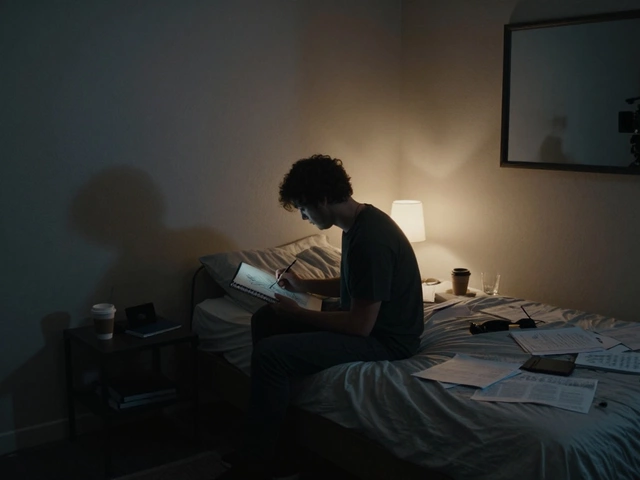
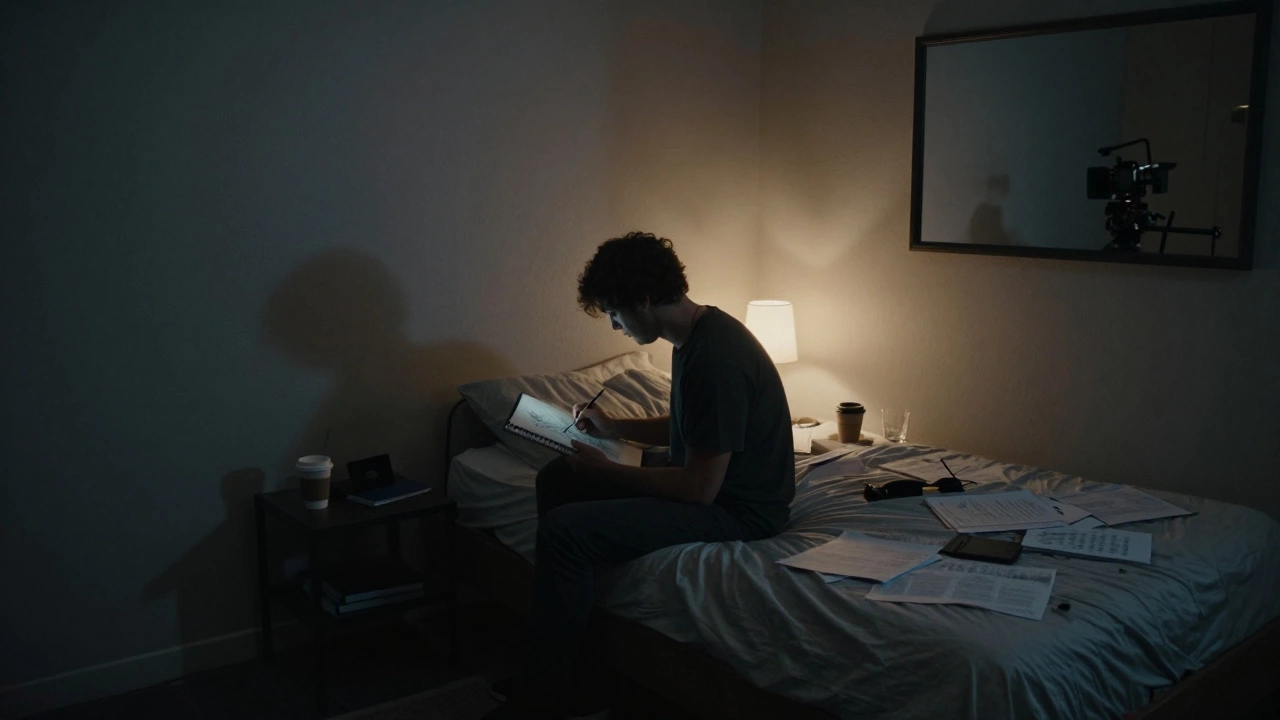
There were days I’d come home and just sit in the dark. The scripts, the lighting, the forced smiles-they didn’t feel real. I started sketching on napkins between takes. Not to sell, not to share. Just to remember that I was still there, underneath the performance. One night, after a shoot in a rented apartment outside LA, I wrote down the names of everyone who’d been there. Not the actors. The crew. The guy who fixed the lights. The woman who brought coffee. I realized no one ever asked them their story. That’s when I knew I had to tell them.
It wasn’t long before I started turning those sketches into portraits. Oil on canvas. No filters. No glamor. Just faces. Real sweat, tired eyes, hands that had held too many props. People called it uncomfortable. Some called it brave. I called it necessary. My first gallery show was in a basement in Portland. No press, no hype. Just a few strangers standing in silence in front of a painting of a woman who’d once whispered to me, ‘I do this so my daughter doesn’t have to.’
That’s when I started seeing parallels between the porn industry and other worlds that hide behind labels. The vip escort london scene, for example-people assume it’s about fantasy, but the people behind it are just trying to pay rent, save for school, or get out of debt. The performance is the same: curated, controlled, exhausting. The difference? One is illegal. The other is a billion-dollar industry. Both are built on bodies that are seen, not heard.
I began documenting more than just faces. I recorded audio-quiet confessions from people who worked behind the scenes. The makeup artist who had two degrees but couldn’t find a job in her field. The sound engineer who’d lost custody of his kids because he worked on adult sets. The assistant who was studying to be a nurse but couldn’t afford tuition without this side gig. These weren’t stories of exploitation. They were stories of survival. And they were everywhere.
My work started getting attention-not because it was shocking, but because it was quiet. People didn’t expect the tenderness. They didn’t expect the dignity. A curator from Chicago reached out after seeing one of my pieces at a small indie art fair. She said, ‘You’re not making porn art. You’re making human art.’ That stuck with me. I stopped thinking of my subjects as ‘models’ or ‘performers.’ I started calling them collaborators. They gave me permission to see them. That’s all I ever wanted.
Now, I teach art workshops in community centers. Mostly to people who’ve been told they don’t belong in art spaces-former sex workers, people recovering from addiction, those who’ve been incarcerated. We don’t talk about porn. We talk about trust. About how to look at someone without judgment. About how to let them look back. One student, a woman who used to work as a
There’s a myth that art needs suffering to be meaningful. That’s not true. But art does need truth. And truth doesn’t always come from galleries or museums. Sometimes, it comes from a dimly lit room with a camera rolling, and someone who just wants to be seen as more than a role.
I used to think my past was something to hide. Now I know it’s the reason I can see what others look past. The
My latest exhibit is called ‘The Quiet Ones.’ It’s not about sex. It’s about what happens after the lights go off. About the silence that follows the script. About the people who are still there, long after the crew has left. I don’t sell the paintings. I give them away-to the people who inspired them. Sometimes, I get a note back. A photo. A voice message. One woman sent me a recording of her daughter singing. She said, ‘She doesn’t know what I did. But now she knows what I made.’